
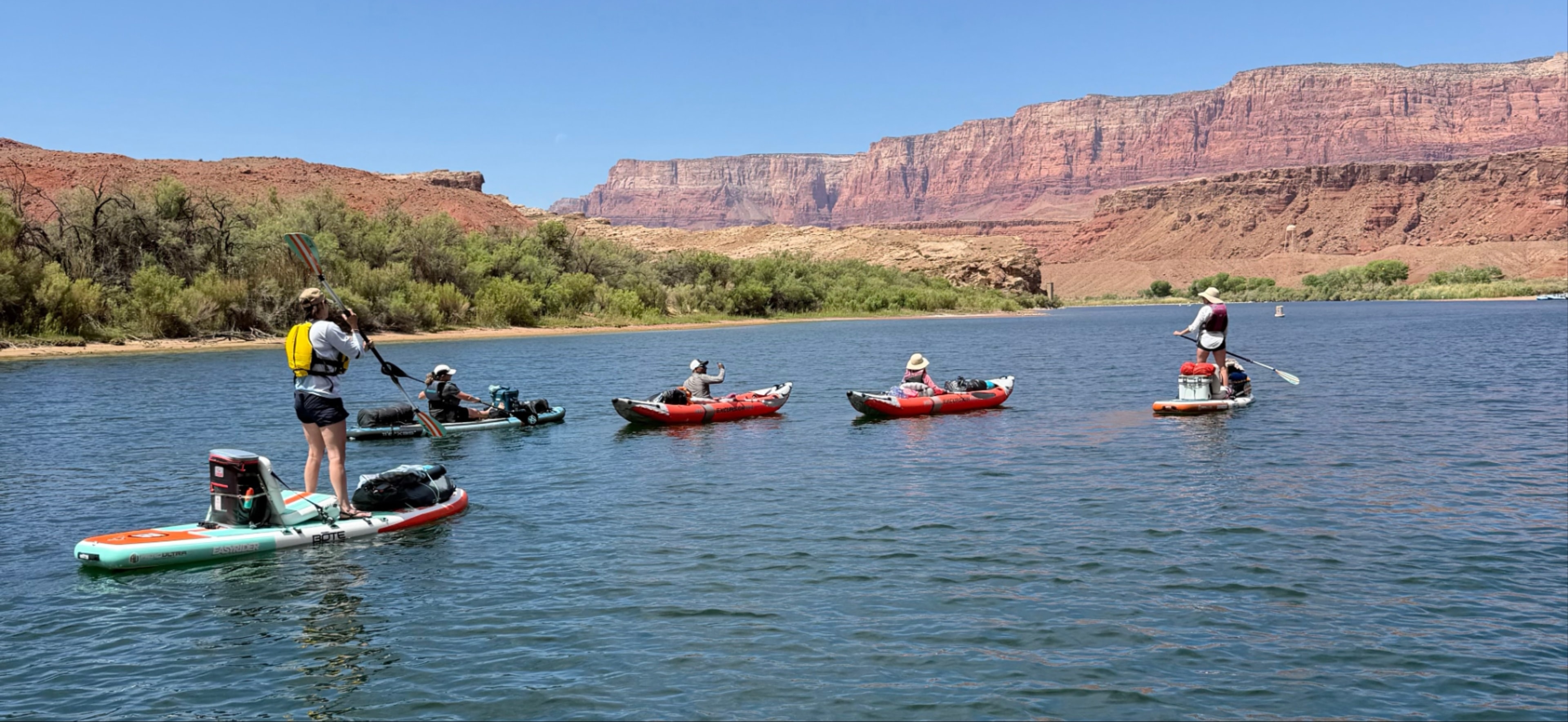
The First Time I Paddled Alone
There's something different about being on the water by yourself. At first, you're thinking about everything—how to steer, whether you're paddling correctly, where you're going. Then eventually you settle in. The paddle finds a rhythm, the world gets quieter, and you realize you're doing it. That's one of the things I love most about kayaking: you don't have to be an expert to begin. Start somewhere calm, give yourself time to learn, and be willing to get a little wet.
Gear Guide
What You Need on the Water
For your first kayak outing, a rental outfitter may provide much of what you need. Here's what each piece does and what to look for.
The Kayak
For beginners, a sit-on-top kayaks area popular beginner option because they're generally stable and easier to get back onto from the water. Recreational kayaks are also commonly used on calm lakes and slow-moving water. If you're renting, tell the outfitter you're a beginner and where you plan to paddle so they can recommend and appropriate kayak.
The Paddle
Paddle size and style can vary depending on the kayak and paddler. If you're renting, ask the outfitter to help you choose the right paddle and show you how to hold and use it comfortably before you lanch.
Personal Flotation Device (PFD)
A properly fitted PFD is one of the most important pieces of safety gear on the water. Requirements can vary by location and type of waterway, so check local regulations before you go. Choose an appropriate PFD that fits snugly and allows you to paddle comfortably.
What to Wear
Dress with the water temperature and conditions in mond. Cold water can be dangerous even when the air feels warm, so check conditions before you go and ask your outfitter what clothing or cold-water protection they recommend. For warm-water paddling, quick-drying clothing and secure footwear that can get wet are good choices. Water shoes or sandals with a heel strap keep your feet protected when you are walking on shore. Avoid cotton — it stays wet and cold.
Sun Protection
Being on the water can mean a lot of sun exposure. Use sunscreen on exposed skin and reapply accordingly to the product directions. A wide-brim hat, UV blocking sunglasses and sun-protective clothing can also help on longer outings. Don't forget the lips.
On the Water
Your First Time on the Water
From launching to landing — what to expect and how to make it go smoothly.
Start on Calm, Flat Water
For your first kayak outing, choose calm, protected water and conditions appropriate for beginners. A lake, protected bay, or other beginner-friendly location can give you space to get comfortable with the kayak before dealing with more challenging conditions. If you're renting, tell the outfitter you're a beginner and ask where they recommend paddling.
Learn the Basic Strokes Before You Go Far
Before heading far from shore, spend some time getting comfortable with the basics—moving forward, slowing or stopping, turning, and backing up. If you're renting, ask the outfitter to demonstrate the basic strokes before you launch. Practice close to shore until you feel comfortable controlling the kayak.
Keep Your Weight Centered
Kayaks can feel a little wobbly at first, especially when you reach, turn around, or shift your weight. Give yourself time to get used to how the kayak moves beneath you. Stay relaxed, avoid sudden movements, and practice in calm water close to shore while you get comfortable.
Pay attention to the Conditions
Wind can make paddling much harder than you expect, especially as a beginner. Check the weather and water conditions before you launch, ask the outfitter about the forecast and local conditions, and be willing to shorten or postpone your outing if conditions aren't right. Your first paddle doesn't need to be ambitious— it needs to be enjoyable. In many places, winds can increase later in the day, so check the local forecast and conditions before you launch.
Landing Is Its Own Skill
Getting back to shore can feel surprisingly awkward the first few times. Before you launch, ask your outfitter where and how they recommend returning and getting out of the kayak. Take your time, expect a slightly less-than graceful exit, and remember: getting a little wet is part of kayaking.
On Tipping Over
Tipping over is something many beginners worry about, and it's worth knowing what to expect before you launch. If you're renting, ask the outfitter what to do if you capsize and whether they recommend practicing getting back into the kayak before heading out. Wear your PFD, stay within conditions appropriate for your experience, and don't be embarrassed to ask questions. Knowing what to expect can make the possibility of tipping over feel a lot less intimidating.
Finding Water
Finding Great Places to Paddle
For your first few outings, stick with calm, beginner-friendly water and save moving water for when you have the appropriate instruction and experience.
- ✓Search "kayak rental near you" —local outfitters can help you find beginner-friendly places to paddle.
- ✓State and national park lakes often have on-site rentals and calm, protected paddling
- ✓Paddling.com has a searchable database of put-ins and paddling routes by region
- ✓Ask the outfitter about local conditions, areas to avoid, and where they recommend beginners paddle.
"There's something about being on the water when everything gets quiet. You stop paddling for a minute, look around, and realize how lucky you are to be right here. That feeling is one of the reasons I keep going back."
Ready to Keep Going?
Kayaking opens up a whole new way to explore. Once you're comfortable on calm water, you may find yourself wondering where you can paddle next. Lakes, quiet coves, beautiful shorelines — every outing builds a little more confidence. The Brave Beginner Series has more guides to keep you moving.